Few areas of longevity science carry as long a track record as Epitalon telomere research. Also spelled Epithalon, the tetrapeptide has been studied for over four decades, most of that work originating from Vladimir Khavinson’s research at the St. Petersburg Institute of Bioregulation. That history gives it a research base that is unusually deep by peptide standards, even though much of it remains preclinical. Understanding what that evidence actually supports, and where it stops, is essential for anyone studying this compound seriously.
What Epitalon Is and Where It Comes From
Epitalon is a synthetic tetrapeptide with the sequence Ala-Glu-Asp-Gly, derived from epithalamin, a naturally occurring polypeptide produced by the pineal gland. The pineal gland plays a central role in regulating circadian rhythm through melatonin production, and its output declines with age, a pattern that has made it a longstanding subject of aging research independent of Epitalon specifically. Epitalon was developed to reproduce the regulatory activity of pineal gland extracts in a stable, reproducible form suitable for research use.
Epitalon Telomere Research: The Telomerase Activation Finding
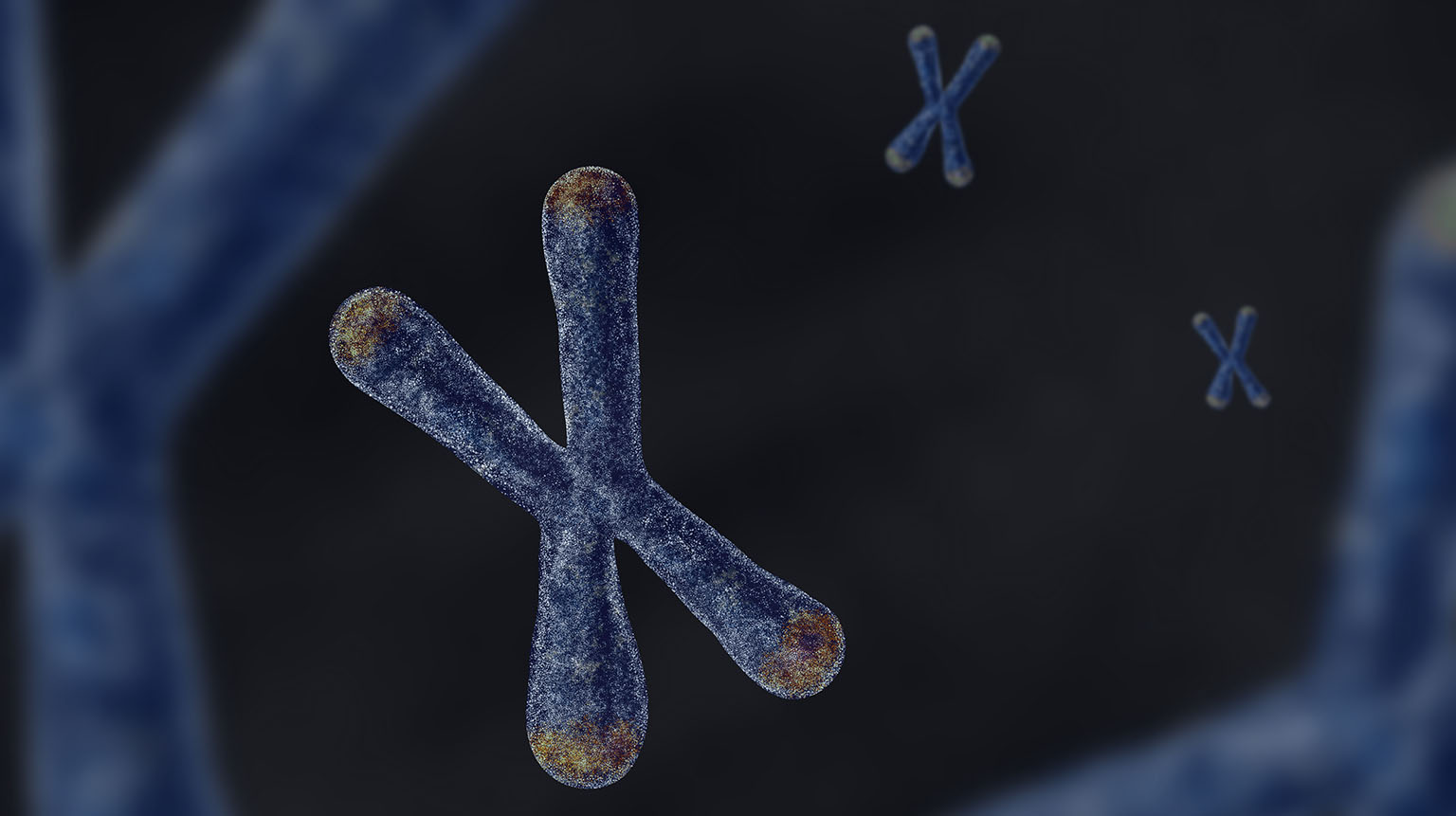
The most frequently cited finding in the Epitalon literature involves telomerase, the enzyme responsible for maintaining telomere length at the ends of chromosomes. Telomeres shorten with each cell division, and that progressive shortening is one of the recognised hallmarks of cellular aging. Telomerase can counteract this process by rebuilding telomeric DNA, but its activity is limited in most somatic human cells.
Research originating with Khavinson’s group, and since examined by other laboratories, has reported that Epitalon exposure increases telomerase activity in human somatic cell lines, with corresponding increases in measured telomere length. This is the mechanistic foundation for nearly all of the longevity interest in the compound.
It is worth being precise about the evidence base: primarily cell line studies and animal models, with a more limited body of human data. The finding is real and has been replicated across more than one research group, but the translation from telomerase activation in vitro to meaningful lifespan or healthspan outcomes in humans remains an open research question. The foundational finding comes from Khavinson, Bondarev, and Butyugov’s 2003 study in the Bulletin of Experimental Biology and Medicine, indexed on PubMed.
Circadian and Pineal Regulation
Beyond telomere biology, Epitalon has been studied for its effects on pineal gland function and melatonin regulation. Animal research has associated Epitalon administration with restored melatonin production patterns and improved circadian regulation in aged subjects, consistent with its origin as a pineal-derived signalling peptide. This circadian angle is a secondary but recurring theme in the literature, connecting Epitalon’s research profile to sleep and rhythm regulation research more broadly.
Epitalon Within the Broader Longevity Research Landscape
Epitalon is rarely studied in isolation within current longevity protocols, because biological aging is understood to involve multiple parallel processes rather than a single mechanism.
- MOTS-c addresses mitochondrial signalling and metabolic stress resilience, a different aging pathway than telomere maintenance. Northern Peptides has a dedicated breakdown of MOTS-c and its role in longevity research.
- NAD+ supports mitochondrial energy production and DNA repair capacity, processes that decline with age independently of telomere length.
Because these compounds address distinct aging mechanisms, researchers building comparative protocols frequently study them alongside one another rather than choosing a single compound.
Northern Peptides carries Epitalon and NAD+ alongside MOTS-c within the Anti-Aging peptides category, and pre-built combinations are available for researchers studying multi-mechanism protocols directly, including the Biological Reset System 20-Day Epitalon Cycle, the Chrono-Reverse Stack, the Immortal Cell Stack, and the Rejuvenation Stack.
Reading the Evidence Honestly
The cell line and animal data behind Epitalon telomere research is genuinely substantial for a peptide of this category, spanning multiple decades and more than one independent research group. What it does not yet include is large-scale, controlled human trial data connecting Epitalon administration to measurable lifespan or healthspan outcomes. Researchers working with Epitalon are studying a compound with an unusually well-documented proposed mechanism and a research gap that sits exactly where much of longevity peptide research currently sits, between promising cellular data and the human outcomes that would confirm it.
Sourcing and Handling Considerations
Because Epitalon research protocols often run over defined cycles rather than continuous use, accurate reconstitution and consistent concentration matter across the full protocol length. The Peptide Mixing Calculator supports this kind of calculation, and the Northern Peptides guide to reading a Certificate of Analysis explains how to verify purity and identity before beginning any cycle-based protocol.
Every product in the catalogue reflects the sourcing and testing approach outlined in the Northern Peptides research standard. Researchers new to reconstitution should also review the full guide to reconstituting and storing peptides, which covers storage stability after mixing, relevant for any multi-week Epitalon cycle.
Where Epitalon Research Stands Now
Epitalon occupies a distinctive position in the peptide research landscape. It is one of the longest-studied compounds in the longevity category, with a mechanistic story that has held up across decades of continued research attention, even as the human outcome data needed to fully validate that story continues to develop. For researchers working in telomere biology or broader longevity protocols, that combination of depth and open questions is precisely what makes it worth continued study.
All products available through Northern Peptides are sold strictly for research purposes only. Nothing in this article constitutes medical advice, and no compound referenced here is approved by Health Canada for human therapeutic use. Researchers are responsible for ensuring their use of any compound complies with applicable laws and institutional guidelines.